
Transfiguration Time
Looking Backward And Forward At Once

Dear Friends,
I continue to greet you from the cold. Snow keeps coming. We’re expecting another inch or two today piling up on the 2+ feet on the ground here. I’m ready for a different view – perhaps a strange mountaintop scene – perhaps the sight of the Transfiguration!
Sometimes, when I come around to a particularly landmark bit of scripture after these several years of writing, I feel like I don’t have anything new to say. But the Transfiguration is one of those passages that I feel like I’m still working out. Like a parable, I’m still trying to open the box and make sense of the contents.
But let’s back up a bit, as we stand here on the doorstep of Lent. How is the Transfiguration situated in the story of our faith?
And God Overshadowed Them –
I don’t know what you’re teaching this Lent, but if you’re in a Godly Play program, there’s a non-zero chance that the answer is The Greatest Parable (and if you somehow haven’t read and implemented the revisions, or if the old version scared you to tell, I can’t recommend spending time with the newish Volume 8 enough).
The Greatest Parable is a strange story. It is a little bit of everything - a parable in its gold box, a sacred story standing upright in the scope of history, a marker of some of the important moments in our shared Christian life – and it contains three anchoring moments: the Annunciation, the Transfiguration, and the Resurrection. Jesus’s earthly ministry is ultimately arrayed around these three moments when God overshadowed earthly events, intervening in them in strange ways.
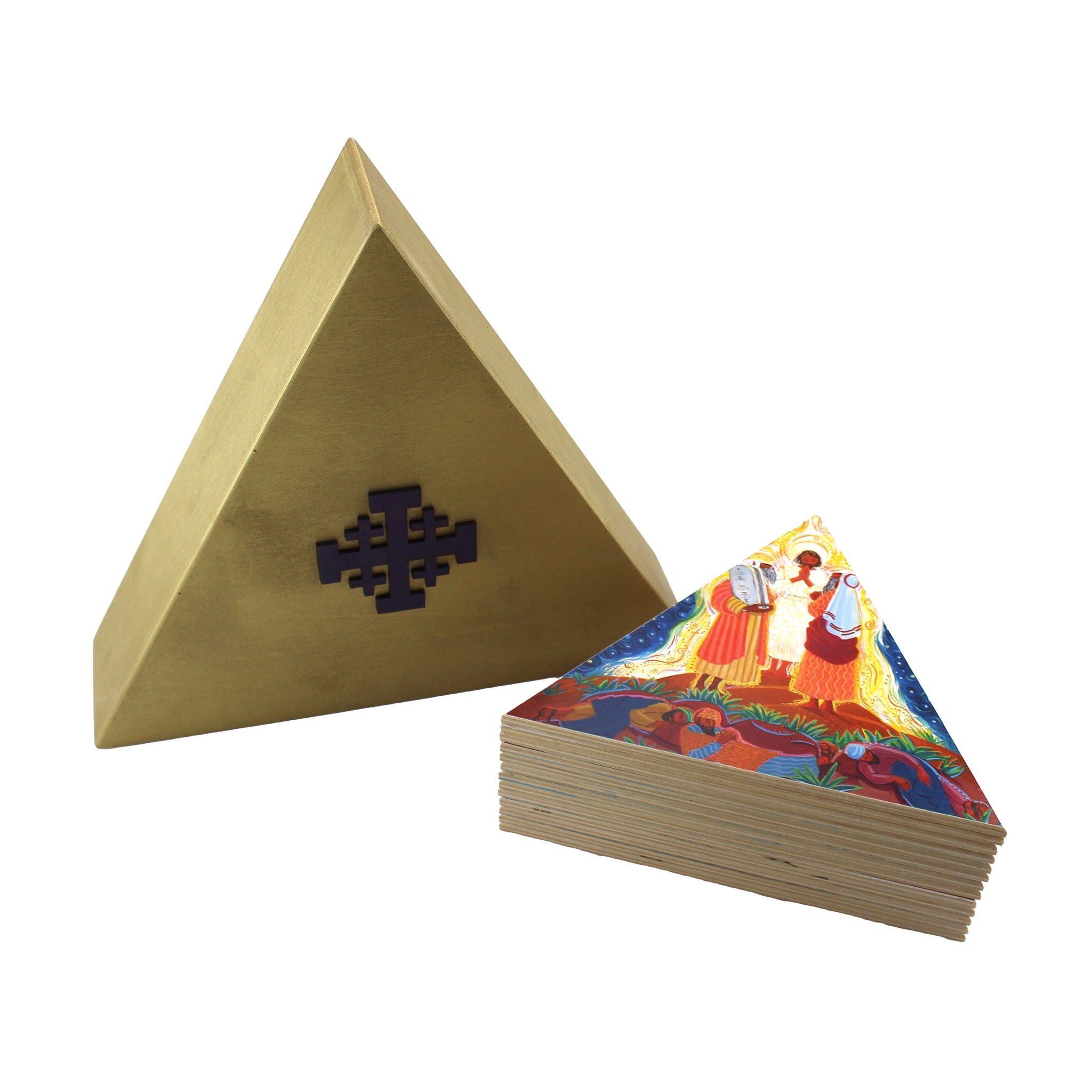
The Transfiguration, the middle of these three, finds Jesus on the mountain with his weary disciples, Peter, James, and John – and then, suddenly, there are others with them: Moses and Elijah. How is this happening? What does this mean?
The focus of the Transfiguration story is often on its physical manifestation through Jesus - why is he shining, sparkling in this way? – but I don’t think it’s the most interesting or important part of the story. There are other, more compelling elements at play here in my view.
There on the mountain, with the appearance of Moses and Elijah alongside Jesus, the disciples are ready to erect a new sort of trinity – to build houses for the three and dwell there. They want to remain in a moment that is otherworldly, rather than proceed down the mountain – but Jesus tells them that they can’t. That is not the purpose of this moment. And it is a misunderstanding of the God who is present in and pervades this strange scene, the God who overshadows them all, declaring, “This is my Son, the Beloved; with him I am well pleased; listen to him!”
Belonging Or Not?
At this year’s Forma gathering, we read this piece of scripture during opening worship and the Rev. Peter Levenstrong posed a question to us: how do we see belonging, one of our conference themes, in this scripture?
My immediate take was that this is not a scene about belonging. If anything, the disciples are eschewing their belonging to each other, to their friends who aren’t with them in this moment, who it seems they are ready to abandon. We’ll build the tents here, they say. We’ll stay here captured by this strange wonder There’s no sense that they want to go back and tell the others, even to bring them to this.
They misunderstand the whole thing and they forget their community and their works. That isn’t belonging.
Jesus is an engine built on belonging. In theology, Greek offers us the term perichoresis, meaning mutual indwelling, to describe the Trinity. The three are inseparable even in their individual elements. Jesus’s belonging, in this sense, is in no way new in this passage.
(I also have questions about the nature of Moses and Elijah in this manifestation but that’s beyond our scope here.)
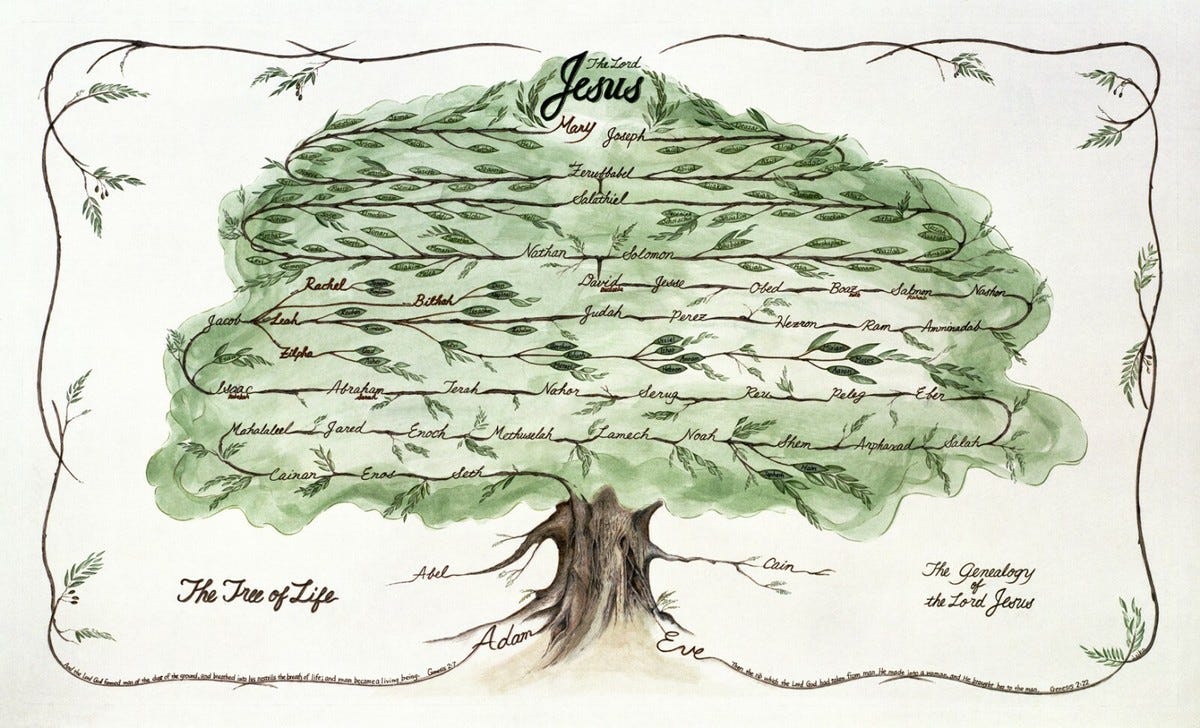
Where there is belonging – belonging that doesn’t seem to be the focus of this passage – is in exactly who has appeared beside Jesus. The appearance of Moses and Elijah rather than other, perhaps more fringe historical figures, is a reminder of our belonging to the Great Family, our belonging to a promise that stretches past before Moses and Elijah to Sarah and Abraham, that we are recipients of the law, witness and party to miracles like the way Elijah was taken up into heaven without death. We are party to a history beyond our immediate ancestors and connected to each other through time.
The Transfiguration is a posture and a philosophy, more than a moment. If Jesus is always and already a figure of belonging, this moment shoves the witnessing disciples into two other sets of relationships: one with their long, ancestral past and one with their community in the world. They have to go back and be responsible to their own people right now and they have to do so with their place in history at their backs and in their hearts and minds. Can they do it? Can we?
From The Transfiguration To Lent
As we enter into Lent with the Transfiguration in mind, I am glad that there is a strong tradition of learning from the saints in this season – because, particularly from the Episcopal position, they offer a very similar lesson. The saints and holy people tie us to our past, create a lineage of faithful living, but they also teach us what our responsibility to each other in this moment is as well. They call us into faithful, community-oriented life anchored in prayer, fasting, and almsgiving.
Lent Madness trading cards will drop later this week. I’m working on them, I promise! It’s a busy entry into Lent over here but I’ve got big plans!
How are you staying anchored in your belonging - to the past, present, and future – this Lent?
Resource Round-Up
The question of being a good neighbor, being part of a community, is integral to this idea of belonging and I’m really taken by some of the secular discussions of neighborliness in this time. In particular, I recommend checking out Harvard’s Love of Neighbor Initiative, a project that they’re undertaking as part of a tool for measuring human flourishing. There are more details here.
Being a good neighbor and belonging across a history beyond our own also means building community across generations. Often, in church settings, this looks like centering children, but there’s more to the work than that. Check out this intergenerational ministry guide from the Presbyterian Older Adult Ministry Network to explore more ways to enter this practice.
I love memory verses and Bible memory tricks. I know they’re not for everyone, but I think they can play a vital role in overall Biblical literacy. So, while my Bible music recommendations for families/kids usually skew a little more traditional, I’m kind of excited for the Sing the Bible Family Devotional from Slugs and Bugs. (There’s also a more traditional Scripture Hymnal project.) Getting those actual Bible texts to live inside you in a sort of ear worm-y fashion really does help us live into our faith.
A reminder if you’re still throwing together your Shrove Tuesday plans, Mtr. Emily Garcia has you covered with her pancake party plans and palm burning liturgy. Last year my Shrove Tuesday was just a text thread with Emily and another colleague where we were all doing these activities with our parishes in greater Boston and sending pictures to each other. Recruit your friends and get to it!
I got a great email from The Little Rose Shop today about why its helpful for us to shift from finding God to making God’s presence more obviously visible. (They were definitely trying to sell me a mug or something, but that’s not the point.) We aren’t going to start changing our lives by waking up earlier to pray or joining a new Bible study. Our lives are really full. But we can, yes, pick a mug that has a prayer on it, or just pause and thank God for the feeling of the warm cup of coffee in our hands. We can put an icon on our desks to anchor us in God’s presence beside us. This helps us stop feeling that we have to go looking for God and helps us to remember God is already present with us.
I think when I describe faith as being part of the background noise or the air we breathed in my family, this is part of it. I probably had three crosses in my tiny bedroom, plus a plaque with a prayer on it and a tiny silver bracelet in my jewelry box with my baptism date engraved on it. Consumption isn’t the answer, but like wearing a cross, these visible faith markers do make a difference.
See you on Shrove Tuesday! Time to get all the loose ends under control.
Peace,
Bird